


Your Face Absorbs More Than You Think
The skin is often described as a protective barrier, but in reality, it is also highly absorbent. This is especially true for the face, where the skin is thinner, more vascular and exposed to repeated daily application of products.
Educational resources from Healthline explain that certain skincare ingredients can penetrate the skin and enter the bloodstream depending on their molecular size, formulation and frequency of use. When products are applied morning and night, every day, absorption becomes cumulative rather than occasional.
This means skincare is not just cosmetic, it is physiological.
Why the Face Is the Most Vulnerable Area
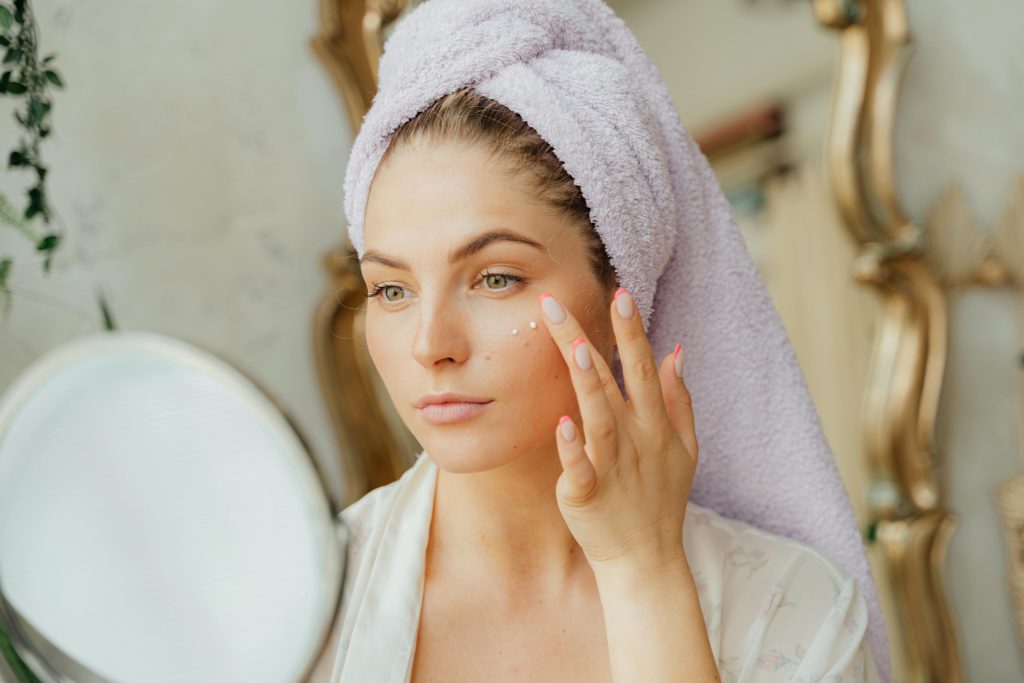
Facial skin sits close to the eyes, mouth, sinuses and lymphatic drainage pathways. It also has a higher concentration of blood vessels compared to many other areas of the body. Because of this, substances applied to the face may have a greater opportunity to interact with internal systems.
When we layer cleansers, serums, moisturisers, sunscreens and makeup daily, even ingredients considered “safe in small amounts” can contribute to long-term chemical load. Over time, this may place additional strain on detoxification pathways such as the liver and lymphatic system.
Quite simply, your face is not the place for chemical experimentation.
The Hidden Chemical Load in Conventional Skincare
Many conventional facial and hygiene products contain ingredients added for shelf life, fragrance and texture rather than skin health.
These may include synthetic fragrances, which can contain dozens of undisclosed chemical compounds, parabens and formaldehyde-releasing preservatives, used to prevent microbial growth, harsh surfactants like sulfates, which can disrupt the skin barrier, petroleum-derived ingredients that may interfere with the skin’s natural functions.
Information published by the U.S. Food and Drug Administration highlights that while cosmetic ingredients are regulated individually, the long-term effects of cumulative exposure from multiple products used daily are still being researched.
When Skin Symptoms Are a Signal
Acne, eczema, rosacea, dryness, sensitivity and inflammation are often treated as surface-level problems. From a holistic perspective, however, skin symptoms can be signals that the body is overloaded or irritated.
When detox pathways are under pressure from stress, environmental toxins or internal imbalance, the skin may become reactive. Reducing chemical exposure on the face is one of the simplest ways to lower the daily burden on the body and support the skin’s natural repair mechanisms.
This is not about fear, it’s about discernment.
Clean Skincare as Preventative Wellness
Clean skincare focuses on ingredients that work with the skin rather than override it. Plant-based oils, gentle botanical extracts and minimal formulations support the skin barrier, hydration and natural balance.
At Cinnamon & Sage, we intentionally choose skincare ranges that align with this philosophy. We currently stock selected products from Mila Essentials, known for gentle, clean formulations designed for everyday skin support, and Crede Oils, which focuses on pure, minimally processed oils traditionally used to nourish and protect the skin.
You can explore these ranges; Mila Essentials Skincare Range is formulated to cleanse and nourish without unnecessary additives. Crede Skincare Range, offering pure oils that support the skin’s natural balance.
We do not stock just any products in our store, only those that meet our standards for ingredient integrity and clean formulation.
Clean Choices Beyond the Face
Skincare is only one part of the picture. Products such as soaps, deodorants and shampoos also come into direct contact with the skin daily. Choosing clean hygiene products further reduces overall chemical exposure and supports long-term skin and systemic health.
Wellness is not about doing everything perfectly, it’s about making informed choices consistently.
A Gentle Note
This article is shared for educational purposes only and reflects general information commonly discussed in holistic and integrative health spaces. It is not intended to diagnose, treat, cure or prevent any disease. Individual responses to skincare products may vary, and those with specific skin conditions should consult a qualified healthcare or skincare professional.